
Interest Rates: September 2026
Interest Rates: September 2026
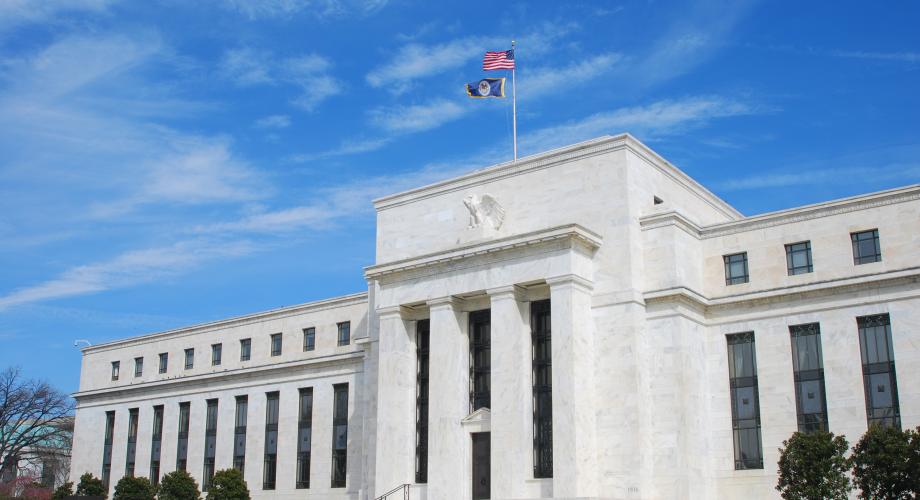
Federal Reserve’s rate-setting committee hikes the policy rate for the first time in three years.
By George Ratiu |
The Federal Reserve is engaged in a high-stakes juggling act seeking to balance an increasing collection of sharp-edged issues. With the Federal Open Market Committee (FOMC) still bound by its dual mandate of maximum employment and 2% inflation, policymakers decided to increase the funds rate by 25 basis points at today’s meeting, in line with market expectations.
The labor markets continue to provide the Fed with cover, as hiring remains moderate, unemployment claims are near historic lows, and the economy is still expanding. On the inflation front, however, a constellation of factors has been pushing prices faster than the Fed’s 2% target for more than five years. What the Fed termed “transitory” in 2021 has displayed the staying power of hot tar on summer pavement. Pandemic-era monetary easing and post-pandemic fiscal stimulus helped fuel the initial surge, while recent tariffs and pressure on oil supplies from the Middle East conflict have added fresh costs for transportation, manufacturing, and consumers.
Today’s brief announcement highlights the expanding economic activity, along with the resilient domestic spending. The FOMC statement points out that “productivity is strong, and capital investment is robust.” In accompanying projection materials, FOMC governors point to another likely rate hike at either the October or December meeting.
New Fed Chair Kevin Warsh pledged to bring inflation to 2%, but his decision to scale back forward guidance raises the stakes for every policy meeting. Markets have been flashing warning lights, with a global bond selloff intensifying despite the Treasury’s two rounds of long-term bond buybacks and driving the 10-year Treasury to 5%. Adding to the tension, with government debt crossing the $40 trillion threshold and annual interest payments exceeding $1 trillion, the White House expects Warsh to maintain an accommodative stance.
This week’s FOMC meeting provides a clear signal about the governing body’s balance of powers in its commitment to fight inflation. Markets have been clear over the past few weeks that without monetary tightening, inflation remains on a path that strains consumers’ purchasing power and household balance sheets. The growing block of FOMC governors who favored a rate hike and acted on it highlights the central bank’s commitment to avoid the risk of doing too little, too late.
For housing markets, today’s decision will have ensuing ripple effects. The increase in the funds rate will translate into higher borrowing costs, as the rate is used as a benchmark to price a variety of consumer products, such as variable-rate credit cards, home equity lines of credit and adjustable rate mortgages, among others. Indirectly, the Fed rate can influence auto, business and student loans, along with rates paid to savers on savings account, certificates of deposit (CD) and money market funds,
Buyers can expect mortgage rates to remain elevated, likely dampening demand for homes as we move into the final stretch of the year. In addition, financing for development and construction of housing is likely to see an increase. On a slight upside, people looking to save money for a downpayment may see slightly higher rates on bank money market funds and CDs.