
Inflation: September 2026
Inflation: September 2026

Inflation maintains upward momentum in August amid geopolitical turmoil.
By George Ratiu |
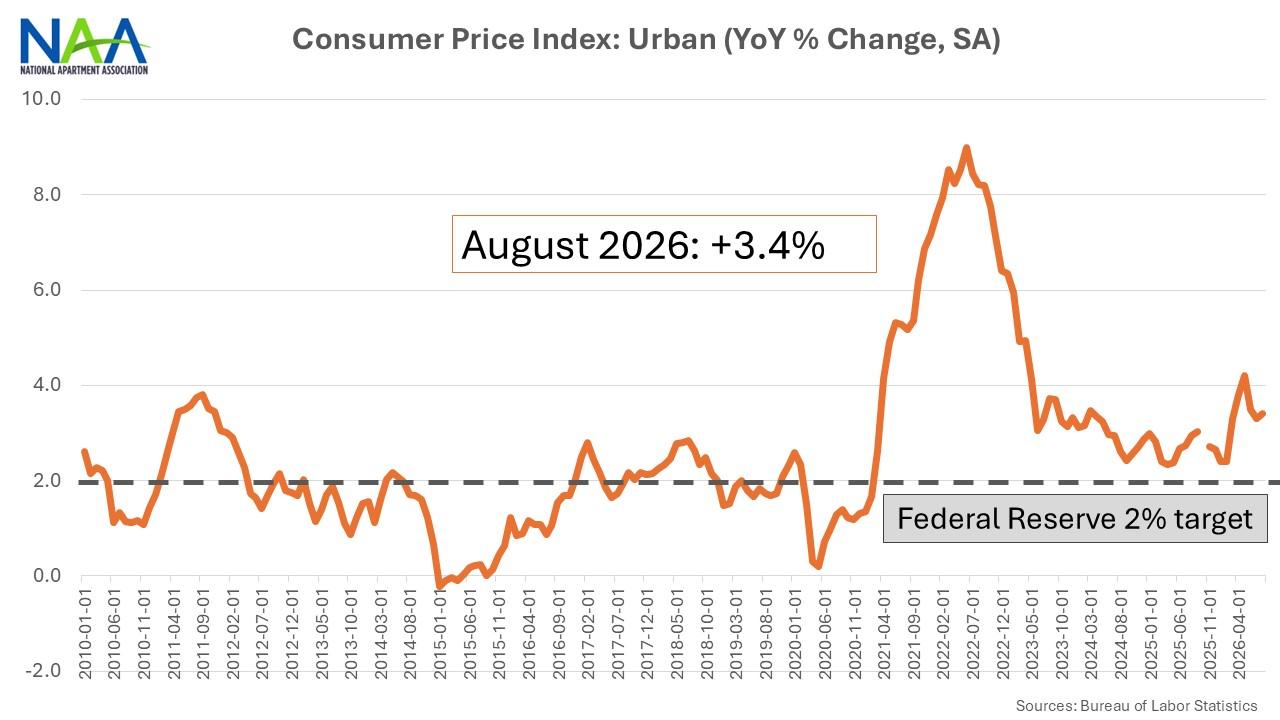
The volatile mix of a widening Iran war pushing oil prices near $100 a barrel, increased tariffs and headlong AI spending pushing chip and memory prices higher is keeping upward pressure on consumer prices. Today’s Consumer Price Index report shows that prices rose at a seasonally adjusted rate of 0.4% in August, picking up speed from the 0.1% gain in July. Compared with August of 2025, the CPI increased 3.4%. The stubborn inflation points to continued financial strains on consumers and housing.
Surge in energy prices compounds gains in consumer goods
The energy index posted the strongest advance with a 16.3% jump from August 2025. Gasoline and fuel oil drove the increase with a 27.4% and 52.0% gain, respectively. The continuing war in Iran and the widening conflict in the Strait of Hormuz stemming from recent Houthi attacks on neighboring countries which sidelined refineries and threatened the oil supply are leading to mounting concerns about the energy outlook. Energy services, which include electricity and utility gas also posted noticeable increases from a year ago.
Consumers experienced higher prices across a wide range of goods and services. Grocery store food prices were up 2.2% in August, as fruits, vegetables, beverages, cereals and meats and eggs came with higher tags. Prices for clothing (up 3.6%), new cars (up 0.6%), hospital services (up 5.2%) and vehicle maintenance (up 5.2%) tacked on additional expenses onto households' monthly budgets. With oil prices surging, the cost of air travel jumped a noticeable 23.4% in August from last year.
Housing prices also rose from a year ago, to the tune of a 3.0% gain. Shelter accounts for 33% of the total CPI basket of prices, which means that the current trajectory will keep price levels on an upward trend without any monetary action from the Federal Reserve.
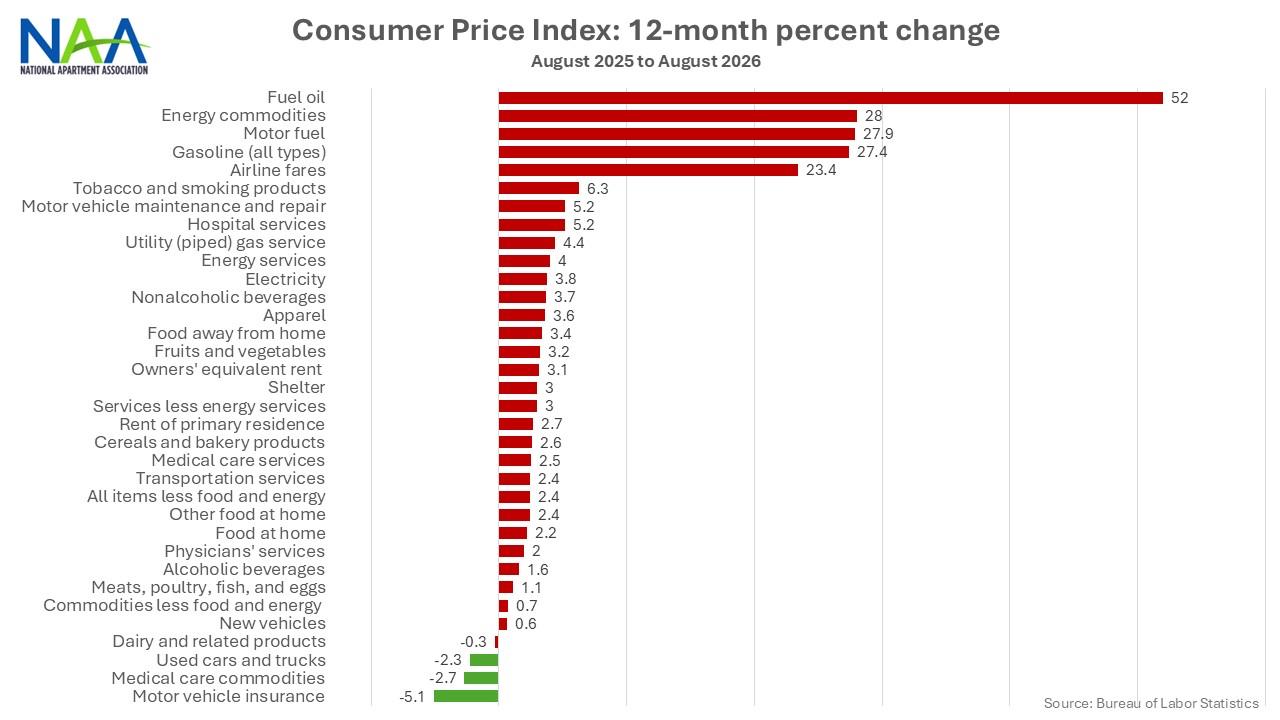
Across major expenditure categories, the only ones to see price cuts in August were dairy products (-0.3%), used cars and trucks (-2.3%), vehicle insurance (-5.1%) and medical care commodities (-2.7%). Looking at core inflation, which excludes food and energy, prices rose 2.4% year-over-year, a slight deceleration from the prior two months.
Spotlight on the Federal Reserve’s monetary action at the mid-September meeting
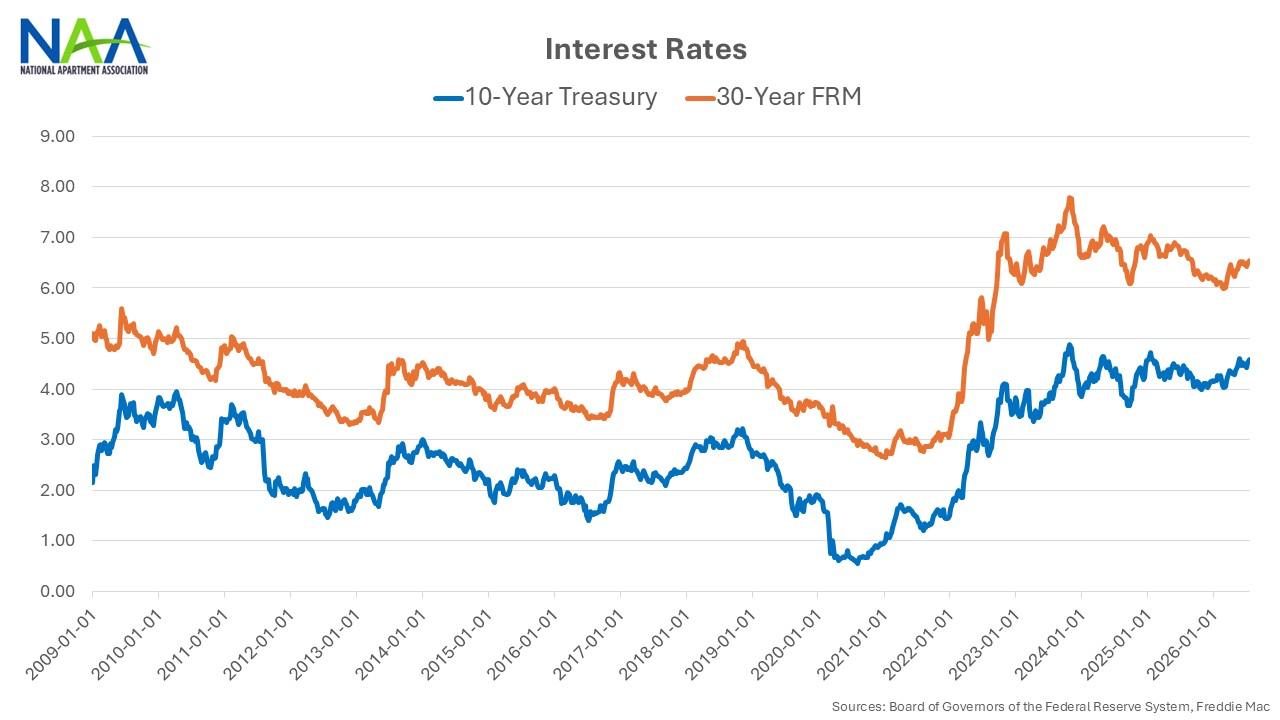
Today’s inflation report complements last week’s jobs numbers and points to an economy where steady employment and rising prices all but ensure that price gains will continue to outpace the Federal Reserve’s 2.0% target. Bond investors responded forcefully this month to the surge in oil prices with a global selloff which pushed long-term rates higher. The 10-year Treasury is closing in on 5.0%, a level not seen since October 2023, when Hamas breached Israel’s borders with military incursions which spurred a wider Middle East conflict.
While the Fed prefers the core Personal Consumption Expenditures Index readings for its inflation assessment, the CPI metrics play an important role, especially since the PCE report will be released after the Fed’s Federal Open Market Committee’s (FOMC) meeting. Chairman Kevin Warsh has made it his signature to scale back the central bank’s statements about potential future actions, which the bank called forward guidance until his term. However, at the last meeting, three of the FOMC governors voted for a rate increase, signaling that concern is mounting withing the bank about the threat of continued inflation left unchecked. What is becoming clear is that current conditions offer a combustible mix that requires a clear and decisive monetary response.
Inflation presents ongoing threat to economic outlook
The main concern surrounding the current trajectory of prices is the financial well-being of American consumers. We have been living through a K-shaped economy, where higher income households have maintained spending while households in lower income brackets have had to curtail spending. Underscoring the challenge, even amid a level jobs market, wages have been falling behind inflation leaving consumers with decreased purchasing power.
In turn, these factors can seep into consumer psychology in a couple of ways. On one hand, stubborn inflation can permeate people’s expectations of future prices, doubling down on the price trajectory. If employees experience ever higher monthly bills, they will rightfully demand higher wages to compensate. In turn, companies will further boost prices to make up for higher labor costs.
On the other hand, at some point, consumers may internalize the steady upward march of prices and curtail spending more sharply and leading to diminished purchases of goods and services. Since consumer spending comprises about two thirds of GDP, this could lead to a downward spiral in economic output.
Housing markets wrestle with higher borrowing costs
Higher prices are having observable impacts on housing markets this year, amid a wide ranging affordability crunch. Mortgage rates stand out as one of those impacts. Following the trajectory of the 10-year Treasury, mortgage rates have climbed toward 7.0%. The Freddie Mac 30-year fixed rate hit 6.76% yesterday, the highest point of 2026. According to data from Mortgage News Daily, homebuyers are seeing rates around 7.08% today. While people shopping for a home have accepted the market is not returning to sub-5.0% rates any time soon, they are struggling to match the math of near-record home prices and higher interest rates.
These factors have left an indelible mark on the summer’s for-sale market. At what would otherwise be the peak of the year’s activity, sales of existing homes dropped to an annualized pace of 3.98 million in August, a level not seen since the 2008-10 housing crash. Sales of new homes have also declined this summer, despite builders’ incentives, mortgage rate buydowns and price cuts.
Importantly, higher prices are also taking a toll on rental housing. Owners and managers of rental properties are wrestling with higher operating costs, including repair, maintenance, insurance and property taxes. Developers and construction companies are also facing higher costs for materials and labor, with direct implications for affordable housing.
Key takeaway
Moving into the last four months of 2026, inflation data point to an economy facing rising downside risks. Economic momentum moderated at the midpoint of the year. The escalation of the U.S. trade war with Canada, expanding military activity in the Middle East and rising concerns about the impact of AI on productivity, resources and labor are combining into a volatile cocktail that could derail economic momentum. With household debt near record high, consumers’ ability to weather ever higher prices may near a ceiling.
All capital markets’ eyes are fixed on next week’s meeting of the FOMC. Expectations are rising that the Fed will resort to a rate hike, signaling a stronger commitment to reigning in inflation.