
Interest Rates: October 2026
Interest Rates: October 2026
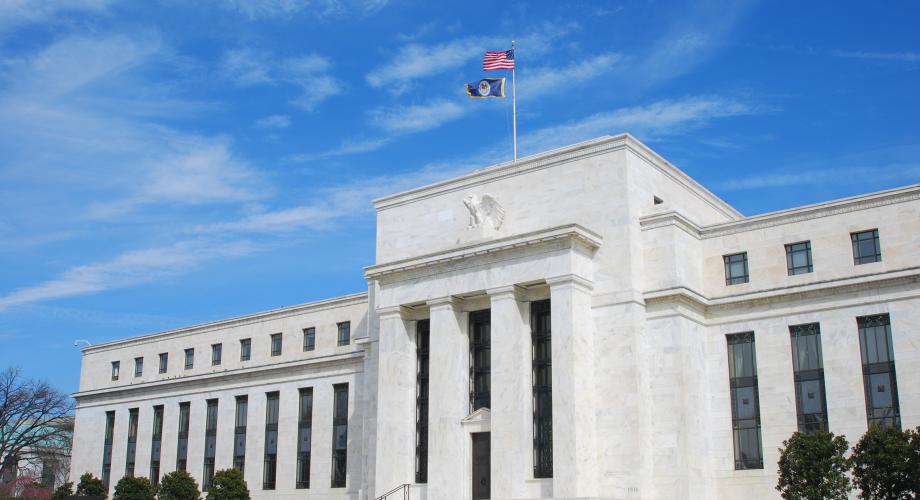
Federal Reserve’s rate-setting committee keeps policy rate unchanged at the October 2026 meeting
By George Ratiu |
Resurgent inflation fueled by trade tariffs, along with wars in Iran and Ukraine and attendant spiking energy costs is shining a bright spotlight on this week’s decision by the Federal Reserve rate-setting body. The Federal Open Market Committee (FOMC) must balance accelerating prices which are squeezing consumers’ finances and casting a looming shadow over the outlook with incoming data and current administration expectations of rate cuts. The FOMC decided to keep the policy rate unchanged in the 3.75% to 4% range.
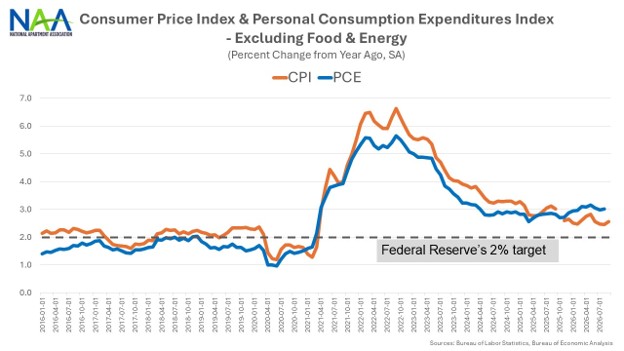
The core Personal Consumption Expenditures (PCE) Price Index, the Fed’s preferred inflation metric, is running at a 3% annual rate as of August, higher than the central bank’s 2% target. The core Consumer Price Index, which also excludes food and energy prices, accelerated in September to 2.6%, up from August’s 2.4%.
Recent economic indicators show continued expansion during the third quarter. However, with less than one week left before the midterm elections, Americans are experiencing an uncomfortable mix of uneven hiring, eroding purchasing power as wage gains fall behind inflation and shrinking affordability as mortgage rates above 7% layered upon high prices sideline millions of buyers. Housing affordability and cost of living are the central concerns for most households and a key theme in this year’s Congressional races.
Worryingly, the main causes of inflation are not likely to be resolved in a timely manner. Tariffs remain a fixture of current federal trade policy. With a large share of goods on American shelves coming from imports, the levies are going to keep prices elevated.
The war in Iran has broadened over the past few months, as Houthi forces have been amplifying Iranian military engagements and Gulf countries have been forced to respond to attacks on their territories. And Russia’s war in Ukraine has seen an expanded list of infrastructure targets, including energy facilities. Combined, these conflicts will maintain energy prices at an elevated level, with direct effects not only on the retail price of gasoline but also the cost of diesel which permeates the entire transportation and supply chain.
While holding rates steady is giving the Federal Reserve and Chairman Warsh room to evaluate incoming GDP, PCE and employment figures over the next week and a half, FOMC members recognize that additional rate increases are inevitable. The question for a central bank also faced with the political weight of the pending midterm elections is, “how high should a December rate hike need to be to compensate for a month’s delay in monetary tightening?”